 Psychology Notes
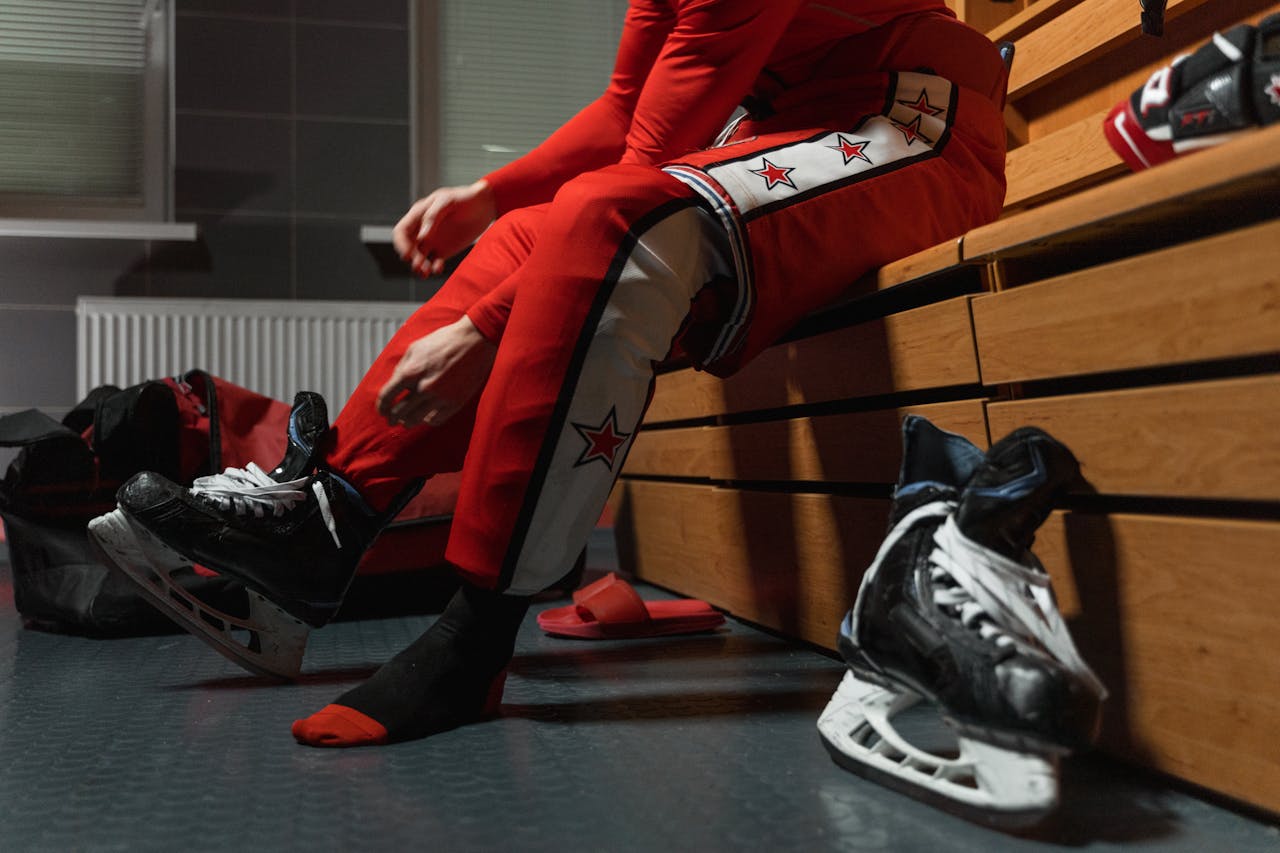
What Is a Pre-Performance Routine?
A pre-performance routine is a structured sequence of behaviors, thoughts, and attentional strategies that an athlete uses to prepare for performance. It may occur in the hours before competition, immediately before an event, or in the seconds before executing a specific skill (such as a free throw, serve, or penalty kick).
Routines are one of the most widely used and well-supported mental skills in performance psychology. They are used by athletes across virtually every sport and at every level — from recreational to elite.
Why Routines Work
Pre-performance routines are not superstitious rituals (though they can appear similar from the outside). They work through several psychological mechanisms:
Attentional Control
Routines direct attention to task-relevant cues and away from distractors — crowd noise, outcome concerns, negative self-talk. By occupying attention with familiar, meaningful steps, the routine prevents intrusive thoughts from gaining traction.
Arousal Regulation
Routines typically include elements that help the athlete reach their optimal arousal level — breathing techniques, energizing cues, or calming behaviors as needed.
Consistency and Predictability
Routines reduce uncertainty. By creating a familiar, consistent sequence, they give the athlete a sense of control over their preparation — which directly reduces anxiety.
Automaticity
A well-practiced routine primes the neuromuscular system for performance. The physical and mental steps activate the patterns associated with past successful performance.
Confidence
Going through a thorough, familiar preparation reinforces the belief that one is ready. Preparation is one of the most reliable sources of legitimate confidence.
Types of Pre-Performance Routines
Long-Term Pre-Competition Routines
Cover the hours and days before competition: sleep, nutrition, travel, warm-up timing, equipment preparation. Consistency in these routines reduces cognitive load and minimizes sources of pre-competition stress.
Immediate Pre-Performance Routines
Occur in the final minutes before competition begins — the warm-up, self-talk, imagery, breathing, and attentional strategies used to reach the optimal readiness state.
Pre-Shot / Pre-Skill Routines
Used before executing discrete skills: a tennis serve, golf putt, free throw, penalty kick, or gymnastics routine. These are particularly well-studied and typically last 5–30 seconds.
The Evidence Base
Research on pre-shot routines is among the most robust in applied sport psychology. Studies consistently show that:
- Athletes who consistently follow their routine perform more reliably than those who do not
- Routine interruption — being hurried or distracted before executing — degrades performance
- Longer routines are not necessarily better; consistency matters more than duration
Work by Mark Bawden and others with elite athletes shows that routines are most effective when they are personalized, rehearsed under pressure, and genuinely meaningful to the athlete — not simply imposed by a coach.
Components of an Effective Routine
While routines are individual, research identifies common effective elements:
| Phase | Examples |
|---|---|
| Physical preparation | Bouncing the ball, adjusting grip, positioning |
| Breathing | One or two controlled deep breaths to regulate arousal |
| Attentional focus | A specific visual target; narrowing focus to the task |
| Cue word or thought | A brief phrase that activates the desired performance state |
| Imagery | A brief mental rehearsal of the desired execution |
| Action trigger | A physical or verbal cue that initiates movement |
Not every routine includes all of these — what matters is that the sequence is consistent, personally meaningful, and rehearsed until automatic.
Choking and Routine Disruption
One mechanism of choking under pressure is self-focused attention — conscious monitoring of movements that normally run automatically. Pre-performance routines counteract this by occupying attention with external or task-focused steps, preventing the shift to internal monitoring that disrupts automated execution.
Research by Gabriele Wulf on the constrained action hypothesis supports this: directing attention externally (toward the outcome) rather than internally (toward the movements) preserves automated performance under pressure.
Developing a Personal Routine
Effective routines are built, not discovered. The development process typically involves:
- Identifying what works — reviewing what the athlete does before past performances, noting what helps and what doesn’t
- Selecting components — choosing elements based on individual needs (arousal regulation, attentional focus, confidence)
- Establishing sequence and timing — creating consistency in the order and duration
- Practicing the routine — the routine must be rehearsed, including under simulated pressure, until it is automatic
- Refining over time — adjusting based on experience and changing needs
The goal is a routine that feels natural, is genuinely useful, and can be executed consistently regardless of external conditions.
Routines Beyond Sport
The principles that make pre-performance routines effective in sport apply directly to any high-stakes performance:
| Sport Context | Everyday Equivalent |
|---|---|
| Pre-shot routine | Pre-presentation sequence before public speaking |
| Pre-competition warm-up | Pre-exam preparation ritual |
| Focus cue before execution | Breathing technique before a difficult conversation |
| Post-error refocusing routine | Reset procedure after a mistake in a presentation |
Performance psychology’s insight here is practical: consistent preparation routines reduce anxiety, improve focus, and increase the likelihood of performing at your best when it matters most.