 Psychology Notes
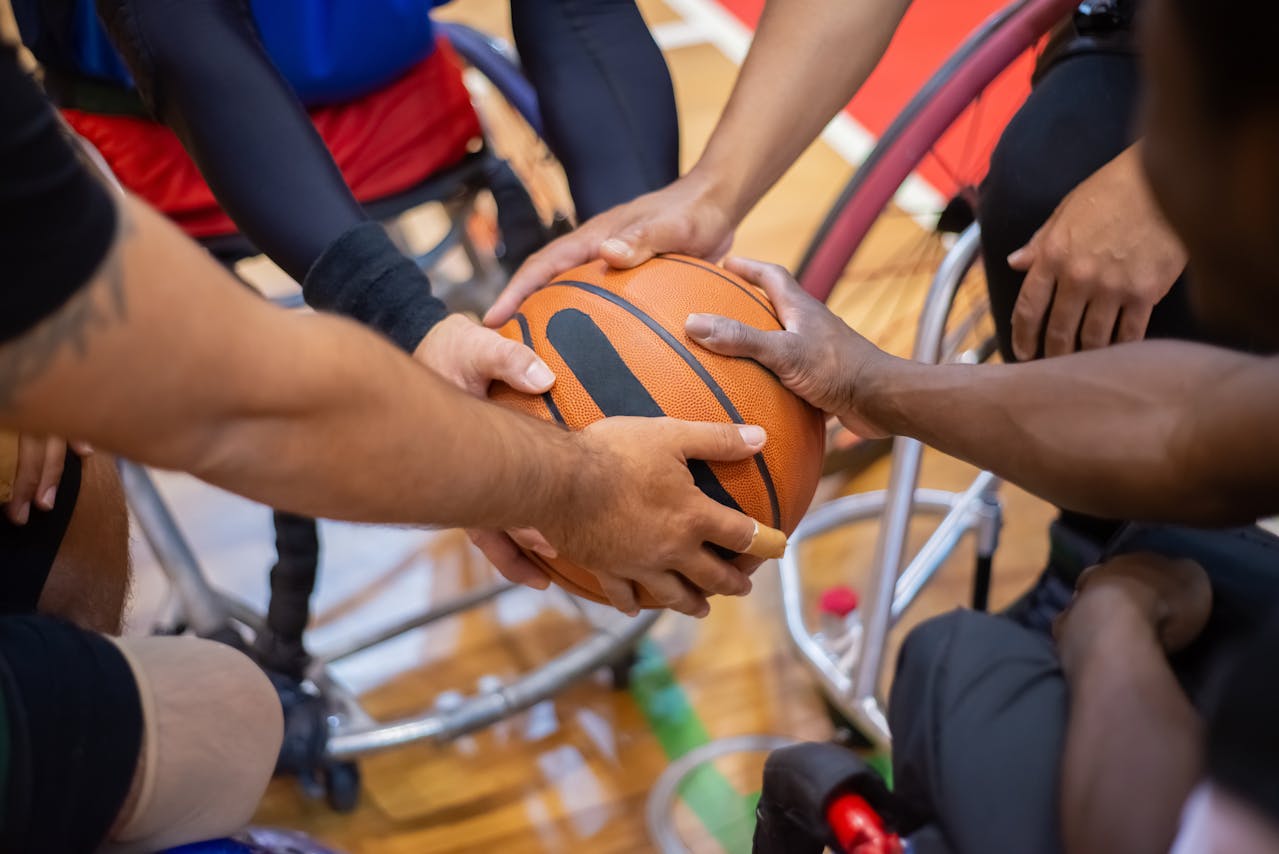
Sport Is Not a Level Playing Field
Sport is often portrayed as a meritocracy — a domain where talent and effort determine outcomes. The reality is more complex. Athletes bring with them their full social identities — their race, gender, sexuality, disability status, cultural background, socioeconomic history — and these identities shape their psychological experience in sport in significant ways.
Understanding the psychology of diverse athletes is not a peripheral concern. It is central to effective practice: understanding what athletes bring to the sport environment, what barriers they face, and what support genuinely serves them.
Identity and the Sporting Self
Social identity theory (Tajfel and Turner) holds that people derive part of their self-concept from group memberships — and that these group identities carry psychological weight. In sport, an athlete’s social identities intersect with their athletic identity in ways that affect:
- How they relate to coaches, teammates, and the sport culture
- How they interpret feedback, evaluation, and setbacks
- Whether they feel they “belong” in a given sport environment
- The psychological resources and stressors they bring from outside sport
Intersectionality — the recognition that people hold multiple social identities simultaneously, and that these interact in complex ways — is an essential framework. A Black female athlete in a predominantly white sport does not experience gender and race as separate issues; her experience is shaped by their combination.
Race and Ethnicity in Sport
Racial and ethnic minority athletes face a range of psychological challenges that majority-group athletes do not:
Racial Stereotyping
Sport is not immune to racial stereotypes — assumptions about athletic “natural talent” that are racially coded, or assumptions about intelligence, leadership ability, or mental toughness that reflect broader racial bias. These stereotypes affect how athletes are coached, selected, and evaluated.
Stereotype Threat
Claude Steele’s research on stereotype threat shows that members of groups who face negative stereotypes can experience performance decrements when the stereotype is made salient — even without conscious awareness of its influence. Athletes who are aware of a negative racial or gender stereotype about their group may experience heightened anxiety and reduced performance in relevant contexts.
Cultural Identity and Code-Switching
Athletes from minority cultural backgrounds may face pressure to “code-switch” — adapting their behavior, communication style, and self-presentation to fit the dominant culture of their sport environment. This is psychologically costly and can create a sense of inauthenticity.
Gender and Sport
The Gender Gap in Sport Psychology
Sport has historically been studied predominantly through a male lens — most early sport psychology research used male samples and male sports as the norm. The experience of female athletes, non-binary athletes, and transgender athletes has been underrepresented.
Women in Sport
Female athletes navigate a range of specific psychological challenges:
- Body image and sport — external scrutiny of female athletes’ bodies, and the tension between athletic and conventional femininity ideals
- Stereotype threat in male-dominated sports — female athletes in sports coded as “masculine” may face challenges to their athletic credibility
- Coaching relationships — gender dynamics between male coaches and female athletes can create additional complexity around communication and trust
Transgender and Non-Binary Athletes
Transgender and non-binary athletes face psychological challenges that mainstream sport psychology has only recently begun to address:
- Identity affirmation (or lack thereof) in sport environments
- Navigating policies and rules that may not account for gender diversity
- The psychological impact of public and institutional scrutiny of their identities
Inclusive practice requires that coaches and sport psychologists actively create affirming environments — not simply the absence of hostility.
Disability and Para-sport
Athletes with disabilities face a distinct psychological landscape. Research in para-sport psychology has identified several relevant themes:
Identity and disability: How athletes integrate disability into their overall self-concept varies widely. Some athletes adopt a strong para-athlete identity; others are primarily athletes who happen to have a disability. Neither orientation is “correct,” but understanding how an individual frames their disability is essential to effective support.
Classification anxiety: Para-sport classification systems — which determine who competes in which category — are a significant source of psychological stress for many para-athletes, particularly those in sports with contested or changing classification criteria.
Disability-specific stressors: Accessibility challenges, equipment issues, the complexity of disability management alongside training demands, and the comparatively lower funding and visibility of para-sport all create stressors with no equivalent in able-bodied sport.
Socioeconomic Context
Socioeconomic background shapes sport participation in fundamental ways — access to coaching, equipment, facilities, travel, and recovery support varies enormously by economic context. Athletes who reach high performance levels despite significant socioeconomic disadvantage often carry psychological burdens that their more advantaged peers do not:
- Financial stress and the felt pressure to succeed to support family
- Imposter syndrome in high-status sport environments
- Reduced access to mental health support
Effective sport psychology practice acknowledges this context rather than treating athletes as if they arrive in a neutral environment.
Culturally Competent Practice
Cultural competence in sport psychology means the ability to understand, appreciate, and effectively work across cultural differences. Key components include:
- Awareness — understanding one’s own cultural assumptions and biases
- Knowledge — learning about the cultural backgrounds of the athletes one works with
- Skills — adapting communication, intervention approaches, and practice norms to serve diverse athletes effectively
Cultural competence is not achieved once and maintained permanently — it is an ongoing developmental process that requires sustained reflection and learning.
Creating Inclusive Environments
Inclusion is not the absence of exclusion. It is the active creation of environments where all athletes feel they belong, are valued, and can perform authentically.
Practical steps toward inclusive practice:
- Audit the environment — whose images are on the walls? Whose stories are told? Whose bodies are represented?
- Examine language — are assumptions about gender, race, or ability embedded in how sport is discussed?
- Create space for different cultural expressions of motivation, leadership, and success
- Address microaggressions directly — small, casual comments that communicate devaluation accumulate and erode belonging
- Seek feedback from athletes about what the environment feels like to them — not just what it looks like from the outside
The goal is not a uniform monoculture of inclusion — it is an environment where diversity is genuinely recognized as an asset, and where every athlete can bring their full self to their sport.