 Psychology Notes
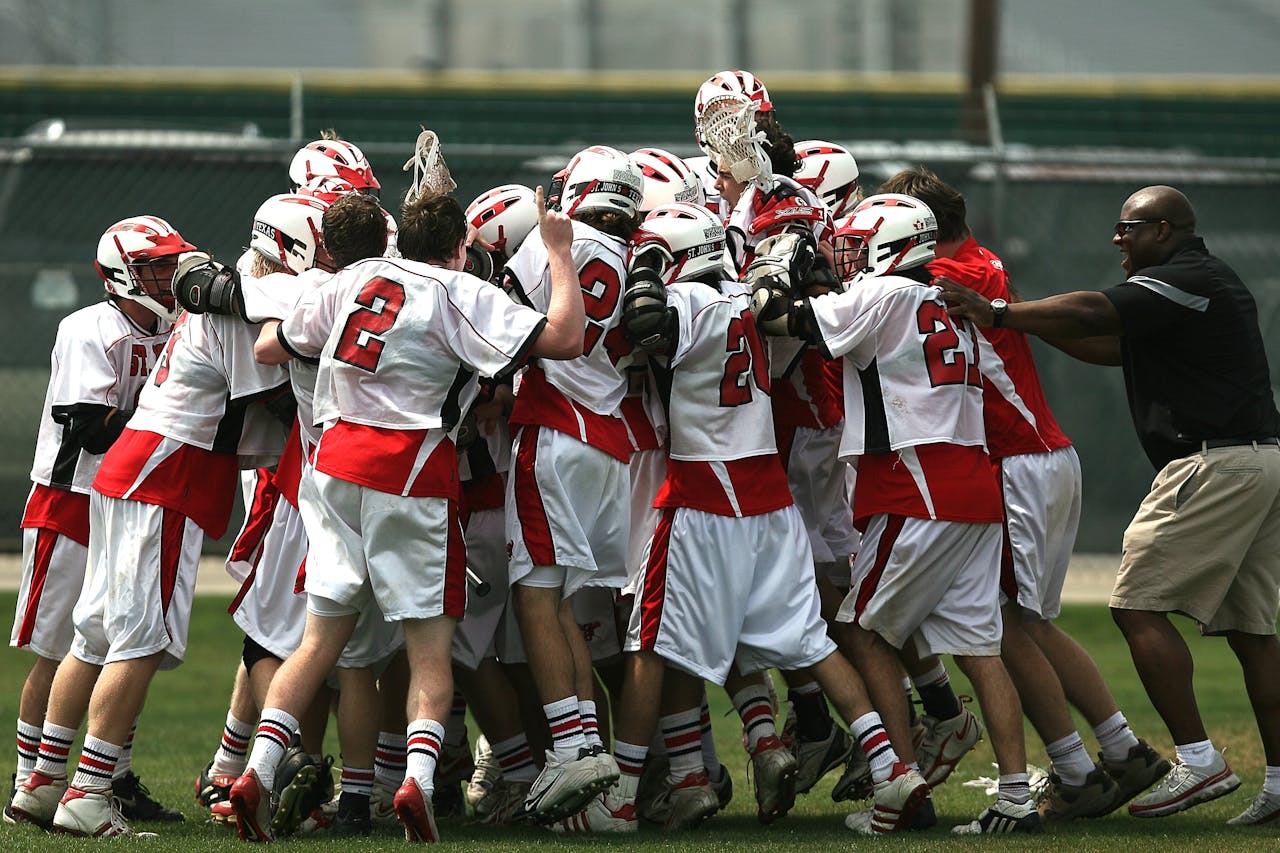
Beyond Individual Performance
Much of sport psychology focuses on the individual athlete. But sport is often a team activity — and even in individual sports, athletes train within groups, work with coaches, and compete in team contexts.
Team psychology addresses questions that individual psychology cannot: What makes a group of talented individuals become a high-performing team? What destroys team chemistry despite individual talent? What does leadership look like at the psychological level?
What Is Group Cohesion?
Group cohesion refers to the tendency of a group to stick together and remain united in pursuing its goals. It is one of the most studied constructs in team sport psychology.
Albert Carron’s influential model distinguishes two types of cohesion:
Task cohesion — the degree to which group members work together to achieve specific and identifiable objectives. In sport: a team coordinating to execute a game plan.
Social cohesion — the degree to which members of a group like each other and enjoy each other’s company. In sport: teammates who genuinely care about each other as people.
Both matter, but their relative importance depends on the sport and context. Research generally finds that task cohesion is more consistently predictive of performance outcomes than social cohesion — though the two often develop together and reinforce each other.
The Cohesion-Performance Relationship
A large body of research supports a positive relationship between cohesion and performance in sport. Meta-analyses by Carron and colleagues consistently find that more cohesive teams perform better.
However, the relationship is bidirectional: cohesion influences performance, but performance success also builds cohesion. Teams that win together develop stronger bonds — which further improves performance.
This creates both virtuous and vicious cycles:
- Virtuous: Cohesion → better coordination → improved results → stronger cohesion
- Vicious: Poor cohesion → coordination failures → poor results → further erosion of cohesion
Breaking a vicious cycle often requires deliberate intervention — addressing both the psychological climate and the structural causes of poor cohesion.
Factors That Build Cohesion
Research identifies several conditions that support the development of cohesion:
Environmental factors:
- Proximity — teams that spend time together develop cohesion more readily
- Distinctiveness — clear team identity (name, uniform, rituals) strengthens belonging
Personal factors:
- Individual commitment and satisfaction
- Shared goals and values
- Social identity with the team
Leadership factors:
- Clear communication of roles and expectations
- Recognition and acknowledgment of contributions
- Coach behaviors that support both task and social dimensions
Team factors:
- Shared success experiences
- Stable team membership over time
- Clear and accepted role definitions
Roles and Role Acceptance
One of the most consistent sources of team dysfunction is role ambiguity and role conflict. When team members are unclear about their responsibilities, or when their expected role conflicts with what they believe their role should be, performance and cohesion both suffer.
Research shows that role clarity and role acceptance are among the strongest predictors of individual satisfaction and team cohesion. Effective coaches invest time in:
- Communicating each athlete’s role clearly and specifically
- Explaining why each role is important to team success
- Acknowledging contributions across all roles, not just high-visibility positions
Leadership in Sport
Leadership in sport operates at multiple levels: formal leaders (coaches, captains) and informal leaders (respected teammates whose influence is not based on title).
Coach Leadership
Chelladurai’s Multidimensional Model of Leadership identifies five dimensions of coaching behavior that affect athlete outcomes:
- Training and instruction — developing athlete skills and coordinating team functioning
- Democratic behavior — involving athletes in decisions
- Autocratic behavior — emphasizing personal authority
- Social support — attending to team atmosphere and individual needs
- Positive feedback — recognizing and rewarding good performance
The model predicts that athlete satisfaction and performance are highest when actual coaching behavior matches what athletes prefer and what the situation demands. There is no universally optimal leadership style — context and individual preferences shape what works.
Athlete Leadership
Research on athlete leadership identifies four key leadership functions within teams:
- Task leadership — organizing and directing performance-related activity
- Motivational leadership — energizing and inspiring teammates
- Social leadership — maintaining team harmony and addressing interpersonal issues
- External leadership — representing the team to the coaching staff and administration
High-functioning teams tend to distribute these functions across multiple leaders rather than concentrating them in one person. A captain strong in motivation may be complemented by a teammate with high social intelligence, and another who excels at technical direction.
Psychological Safety
Research in organizational psychology — particularly work by Amy Edmondson — has shown that psychological safety is one of the strongest predictors of team learning and performance.
Psychological safety is the shared belief that the team environment is safe for interpersonal risk-taking: admitting mistakes, asking questions, offering ideas, or challenging the status quo without fear of punishment or humiliation.
In sport contexts, psychological safety supports:
- Open communication between athletes and coaches
- Honest feedback between teammates
- Willingness to attempt new skills and risk failure in training
- Recovery from error without excessive self-protection
Teams with low psychological safety tend to show surface harmony masking underlying dysfunction — problems are not raised until they become crises, and mistakes are hidden rather than learned from.
Practical Implications
For coaches:
- Invest early in team-building activities that build both task and social cohesion
- Communicate roles with specificity and rationale
- Create a climate where mistakes are treated as learning opportunities
- Recognize contributions across all roles, not only high-visibility performances
For team leaders:
- Model the psychological climate you want the team to adopt
- Address interpersonal conflict directly rather than allowing it to fester
- Foster inclusion — ensure all team members feel their contribution matters